

Preparing a home for new tenants often brings a mix of excitement and stress. Packing up, coordinating the move, and juggling timelines can tempt a landlord to leave certain items behind. Pool tables, lawn mowers, patio sets, and older electronics may feel too heavy to move or too convenient to part with. At Real Property Management Viking, this situation comes up often and the advice is always the same: personal belongings should never remain in a rental.
Leaving items behind creates a chain of risks that affect liability, maintenance obligations, and legal protection. Understanding these risks helps keep a rental property easier to manage and far less vulnerable to issues later on.
Liability Risks Increase Immediately
Any personal item left in the home becomes the landlord’s responsibility. A lawn mower that misfires or a pool table that collapses can easily cause injuries. Even simple items like drapes or patio chairs can put a tenant or their guest at risk.
If someone gets hurt, ownership becomes the central issue. When the item belongs to the landlord, liability can follow. Rental policies also rarely cover personal belongings, leaving owners exposed when something goes wrong.
Small, harmless-looking items can quickly turn into major problems. Keeping the property free of anything that could create confusion or risk is one of the simplest ways to stay protected.
The same principle shows up in essential safety tips where a predictable and uncluttered home keeps tenants safer and makes the property easier for landlords to manage. When rentals remain clear of leftover belongings, everything functions more smoothly and issues are far less likely to escalate.
Maintenance Obligations Fall Back on the Landlord
Leftover items often turn into ongoing responsibilities. A mower that won’t start, a TV with glitches, or a smart device that loses connection all become the landlord’s problem if they remain in the home.
Maintenance laws often follow a straightforward rule: if the landlord provides it, the landlord maintains it. Tenants may request gas for the mower, repairs for electronics, or support for smart devices. These requests cost time, money, and effort, usually far more than the item is worth leaving behind.
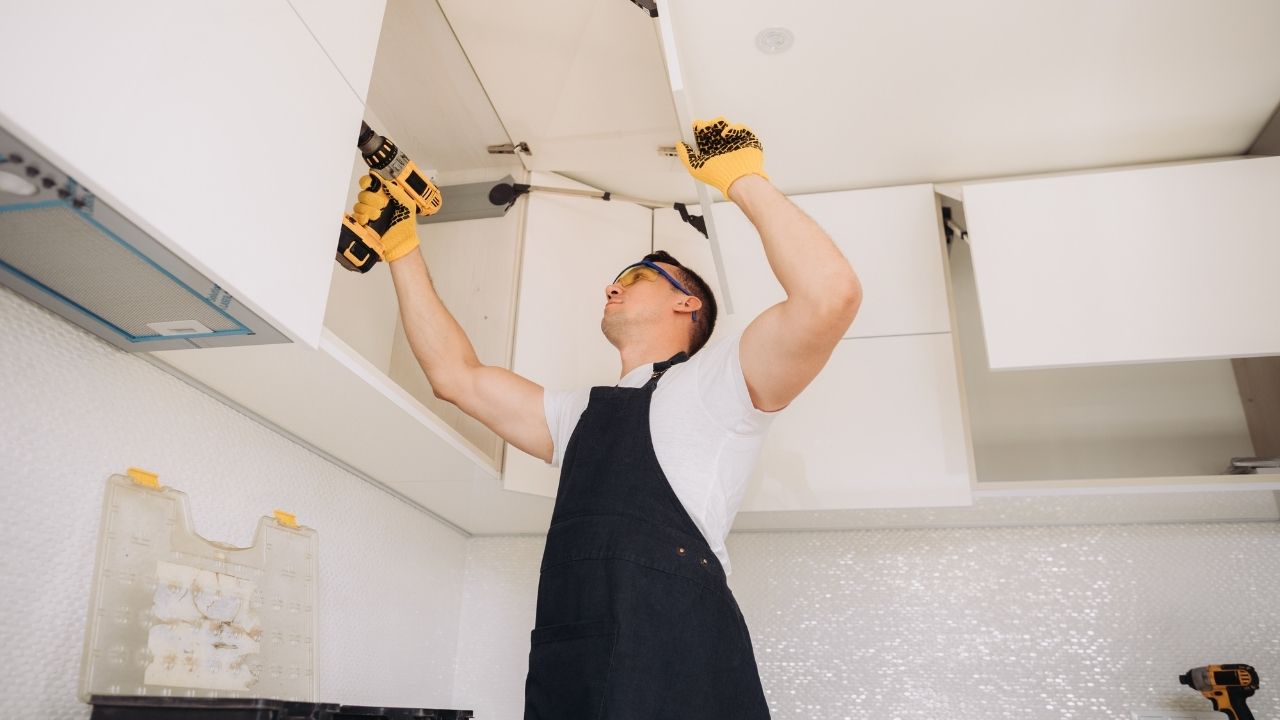
Freestanding items create the most trouble because tenants rely on the landlord for repair or replacement. Clearing the property completely keeps maintenance obligations focused on the systems that truly matter.
Consistent upkeep supports better performance and fewer surprises, much like the approach used to maximize rental property profit where controlled maintenance plays a key role in long-term value. A rental free of leftover belongings avoids disputes and keeps attention on the essential areas of the home.
Personal Property Offers No Security Deposit Protection
Security deposits protect the condition of the property itself, walls, flooring, fixtures, and structural elements. Personal items left behind do not qualify.
If a tenant loses a lawn mower, damages a TV, or sells patio furniture left behind, the security deposit cannot be used to recover the cost. Even sentimental items have no protection once they remain in the home.
This gap creates a financial risk many landlords don’t expect. A clean, empty home is the only reliable way to maintain clear boundaries between what belongs to the landlord and what belongs to the tenant.
Long-term rental strategies emphasize this same clarity. Ideas found in why invest in rental real estate highlight predictable management and avoiding unnecessary risk. Leaving belongings behind removes both protection and control, making the property harder to manage over time.
Key Takeaways
-
Personal items left behind increase liability and can make landlords responsible for injuries or damages.
-
Any freestanding object becomes a maintenance obligation once tenants begin using it.
-
Security deposits do not cover loss or damage of personal property.
-
Clearing the home creates a safer, cleaner, and more manageable rental environment.
-
Empty properties prevent hidden issues caused by blocked access or reduced visibility.
Final Thoughts
A rental home is always safer and easier to manage when it’s completely cleared before new tenants move in. Empty space gives tenants a clean start, reduces unnecessary responsibilities, and protects long-term property value. If you ever need clarity on preparing your rental, our team at Real Property Management Viking is always here to help.
We are pledged to the letter and spirit of U.S. policy for the achievement of equal housing opportunity throughout the Nation. See Equal Housing Opportunity Statement for more information.
