

Owning rental property in Minnesota can be rewarding, but it also comes with serious legal responsibilities. Whether you manage a single home or a portfolio of units, understanding landlord-tenant law is critical for protecting your investment and maintaining a professional relationship with residents.
At Real Property Management Viking, we’ve seen how small oversights, like missed maintenance deadlines or incorrect security deposit handling, can lead to major financial setbacks. Here’s what every landlord should know to stay compliant and avoid unnecessary risk.
1. Maintaining a Safe and Habitable Home
Minnesota law requires landlords to keep rental units safe, sanitary, and fit for living. This “duty to maintain habitable premises” covers everything related to health and safety.
To stay compliant, make sure your property includes:
-
Reliable heat of at least 68°F from October 1 through April 30
-
Functioning hot and cold running water
-
Working appliances like refrigerators and toilets
-
Reasonable energy efficiency, no drafts or leaking windows
-
Prompt pest control and structural repairs
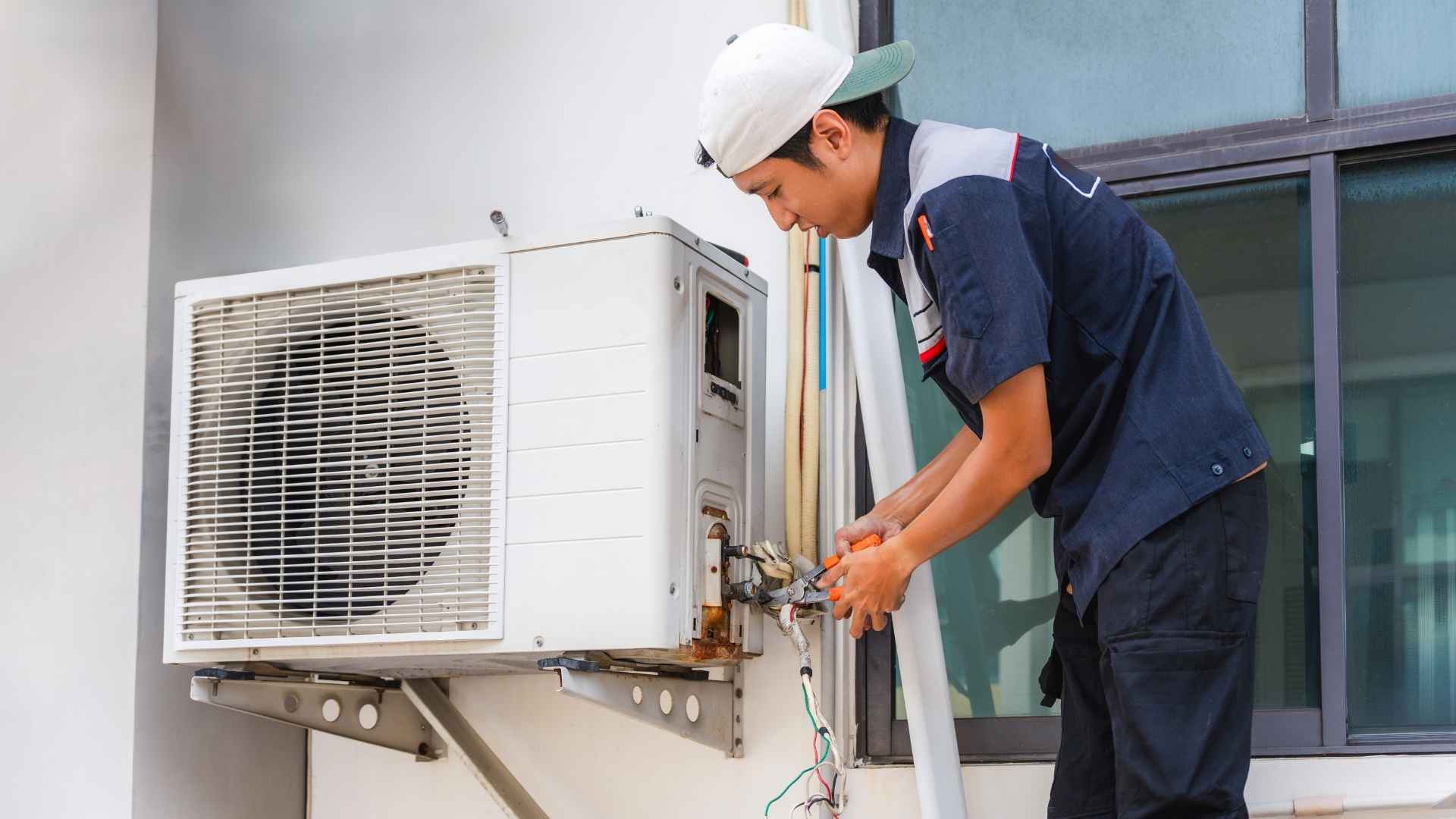
If you advertise amenities such as central air conditioning, it must remain in working order throughout the summer. Tenants are legally allowed to withhold rent or pay it into escrow if the unit isn’t maintained properly, which can lead to court disputes.
The best way to prevent issues is through regular inspections and detailed documentation. Record every maintenance request, respond within a reasonable timeframe, and treat emergencies immediately, even if the tenant caused the damage. Acting quickly not only protects you legally but also builds trust and long-term tenant satisfaction.
2. Security Deposits: What You Can and Can’t Do
In Minnesota, landlords can collect a security deposit, typically equal to one or two months of rent, but the key lies in how you handle it afterward. State law requires you to return the deposit within 21 days of the lease ending, with 1% simple annual interest.
If you plan to deduct for damage, you must:
-
Provide an itemized list of deductions in writing
-
Include proof that damage exceeds normal wear and tear
-
Complete all this within the same 21-day window
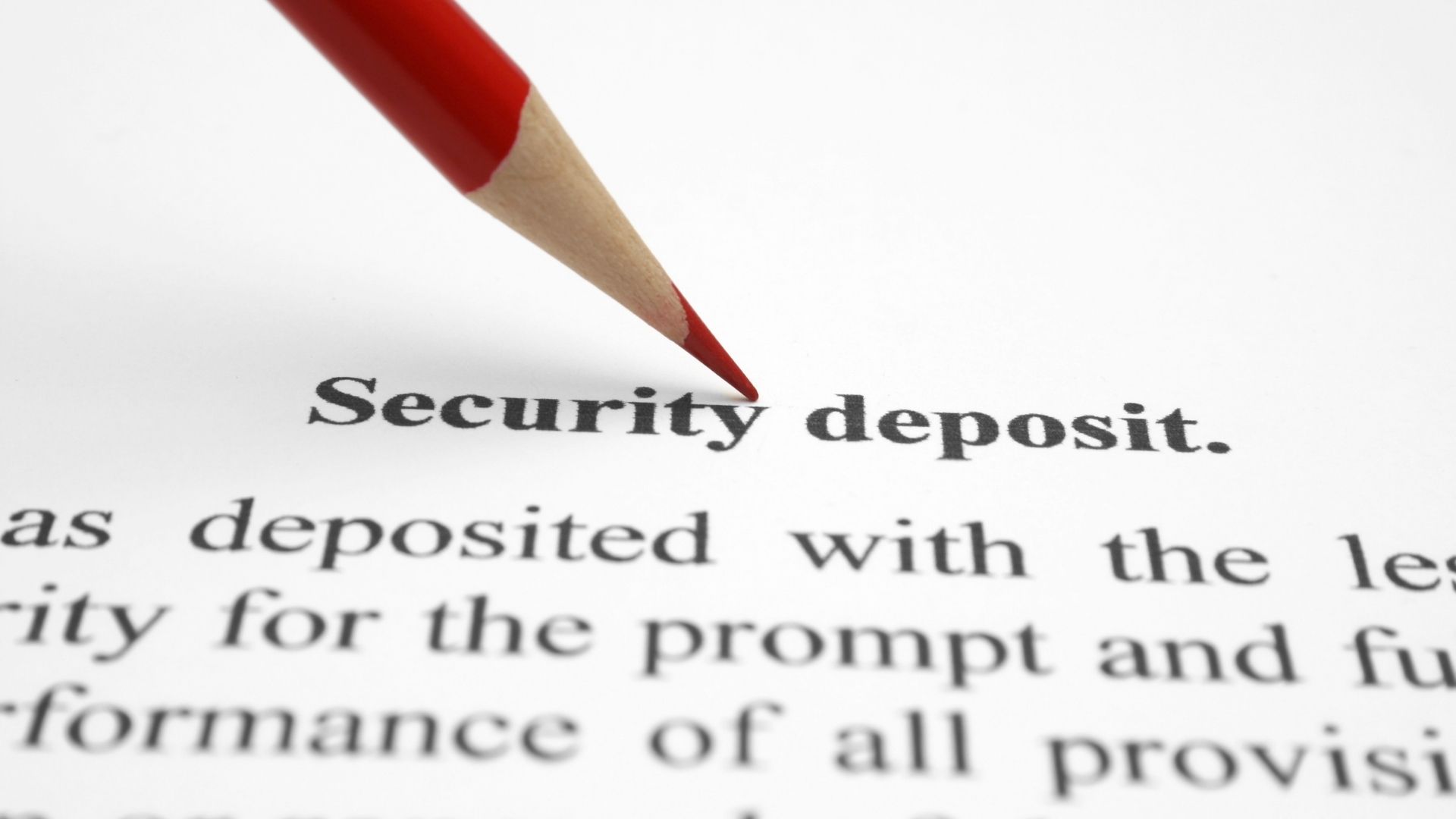
Non-compliance can be costly. Landlords who miss deadlines or fail to document charges can face penalties equal to the withheld amount plus interest.
When calculating charges, remember that items must be prorated and depreciated. For example, a carpet with a seven-year lifespan that’s already five years old can’t be charged at full replacement cost. You’d only bill for the remaining value of the damaged portion.
Conducting detailed move-in and move-out inspections, with photos or video, can make all the difference in resolving disputes fairly.
Smart financial management goes hand in hand with good legal compliance. Understanding how to avoid overpaying on investments can help you maintain profitability across your portfolio.
Long-term stability often comes from a clear understanding of why investing in rental real estate continues to offer consistent returns in changing markets.
3. Notice of Entry: Respecting Tenant Privacy
Another frequent source of conflict is entering the rental unit without proper notice. In Minnesota, landlords must give at least 24 hours of written notice before entering a property for repairs, inspections, or showings.
Best practices include:
-
Delivering a written notice by mail or posting it on the door
-
Obtaining acknowledgment that the tenant received it
-
Entering only between 8:00 a.m. and 8:00 p.m., unless the tenant agrees otherwise
For emergencies, like flooding or a broken heater in winter, you can enter after making a good-faith effort to notify the tenant. Always leave a written note explaining why you entered and what was done.
Respecting privacy isn’t just a legal obligation, it also builds mutual trust. Tenants who feel respected are more likely to care for your property and stay longer, strengthening your overall investment.
4. Proper Eviction Procedures
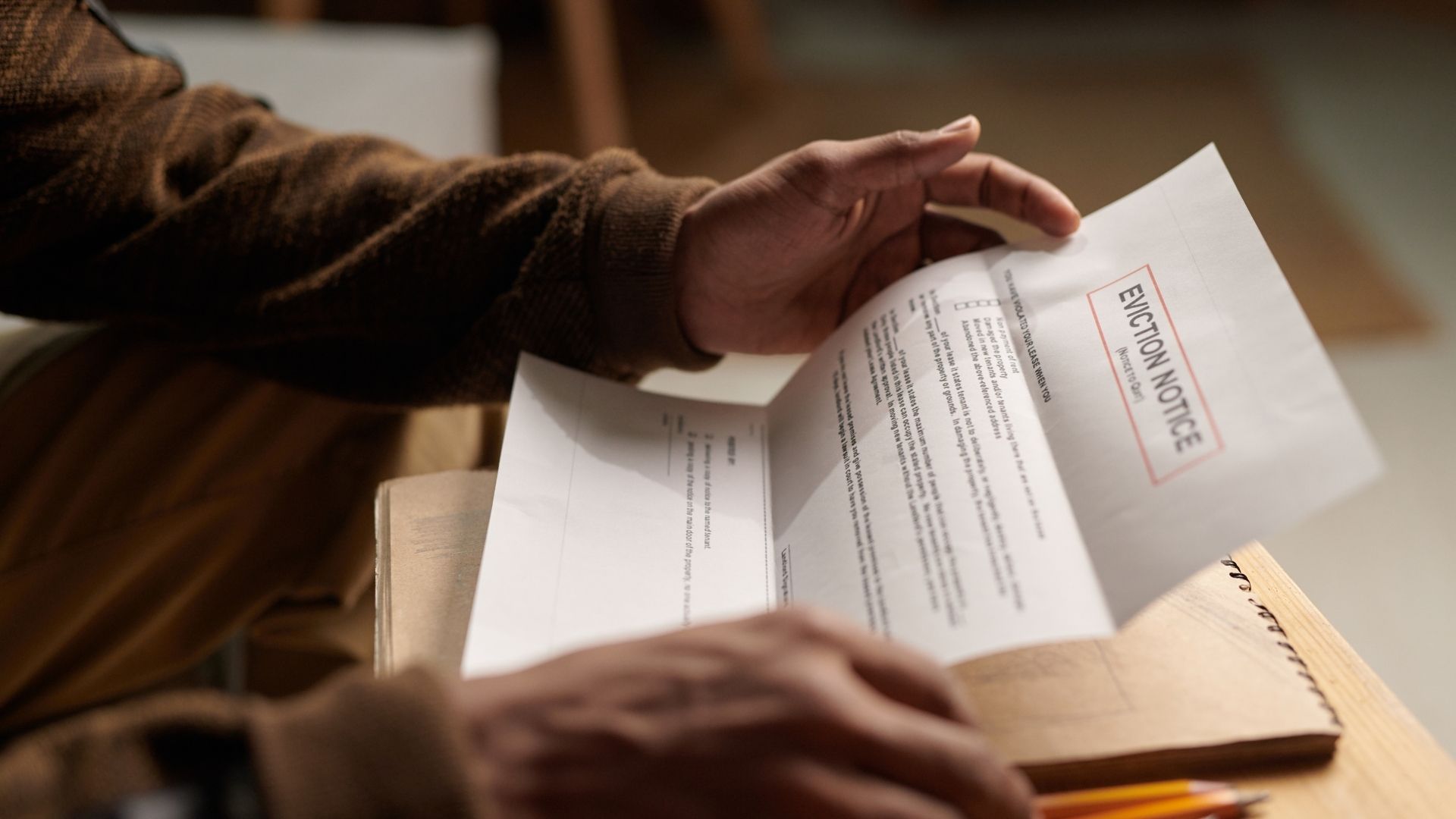
Evictions are sometimes unavoidable, but Minnesota law outlines strict procedures to follow. There are two main types of notices:
-
Notice to Cure – Used when tenants violate lease terms, such as unauthorized pets or property damage. The notice period depends on the severity, life-safety issues may allow one day to cure, while minor issues may allow up to 14 days.
-
Notice of Non-Payment of Rent – A statutory 14-day notice before filing for eviction. Federally backed mortgages may require 30 days, and cities like Minneapolis or St. Louis Park may have their own timelines.
After proper notice, eviction must go through the court system. Only the sheriff, not the landlord, can remove a tenant. Attempting self-help evictions, such as changing locks or shutting off utilities, can result in lawsuits, fines, and reinstatement orders.
Working with a process server helps ensure each step is documented properly. They can post notices, mail copies, and provide an affidavit of service that protects you in court. Clarity within your lease is equally important, and resources like the renter’s guide to lease agreements can reinforce how notice periods and responsibilities should be structured from the start.
Key Takeaways
-
Landlords must maintain habitable, safe, and functional homes year-round.
-
Security deposits must be returned within 21 days with interest and documentation.
-
Always give 24 hours’ written notice before entering a unit, except in emergencies.
-
Evictions must go through court, self-help methods are illegal.
-
Detailed records, photos, and communication protect you from costly disputes.
Final Thoughts
Being a landlord in Minnesota means more than collecting rent, it’s about managing a compliant, ethical business that values both protection and professionalism. Following these four key laws helps you avoid penalties, maintain trust with tenants, and safeguard your investment.
At Real Property Management Viking, our team can help you navigate landlord responsibilities and maintain full compliance with state and city regulations.
We are pledged to the letter and spirit of U.S. policy for the achievement of equal housing opportunity throughout the Nation. See Equal Housing Opportunity Statement for more information.
