

Key Takeaways
- A genuine maintenance emergency threatens health, safety or the property itself and cannot wait for the next business day, while most other problems are urgent or routine and can follow a normal schedule.
- Defining emergencies in the lease and giving tenants clear, simple instructions helps them report problems quickly and keeps owners from facing both costly delays and needless after-hours calls.
- Minnesota winters make heating failures and frozen pipes especially serious, and repair rules vary, so verify current requirements and consult a qualified attorney with legal questions.
Sooner or later, every landlord receives the middle-of-the-night call. A pipe has burst, a tenant smells gas or the furnace has quit on the coldest night of the year. At that moment, both sides need to know what counts as an emergency, who to call and what will happen next. Confusion wastes time, and time can mean damage.
This guide from Real Property Management Viking explains how to define maintenance emergencies for a rental in the Minneapolis area, what to do when one occurs and how to set expectations in advance.
It is general education, not legal advice. Minnesota has rules about habitability and repairs, so verify current requirements and consult a qualified attorney with questions about your own situation.
Why a Clear Definition Matters
A dripping faucet and a flooded basement may both prompt urgent calls. If everything is treated as urgent, vendors become expensive and exhausted, and the truly dangerous situations may not receive priority. If nothing is treated as urgent, small problems grow into large ones.
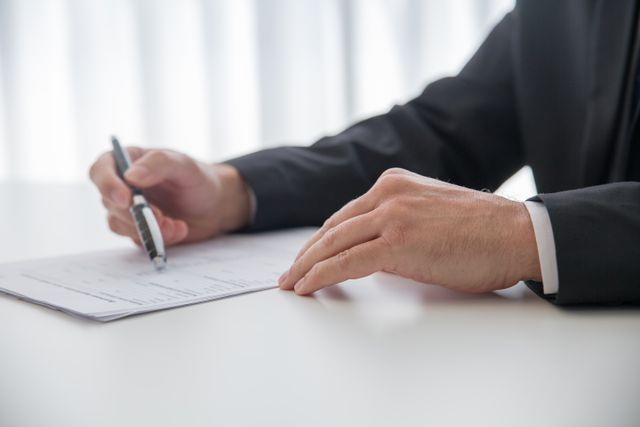
A written definition protects everyone. Tenants know when to call immediately, owners know which costs are justified and vendors know how to prioritize. Include the definition in the lease or a move-in guide, and review it with each new tenant.
Conditions That Generally Qualify as Emergencies
Minnesota landlords draw the line in slightly different places, but certain conditions are widely treated as emergencies because they threaten safety or cause rapid damage.
- Fire or smoke: call 911 first, then notify the landlord or manager.
- Gas odor or suspected gas leak: leave the home, call 911 or the gas company and then notify the landlord.
- Flooding or a burst pipe: uncontrolled water that is damaging the home.
- Sewage backup: a health hazard that needs immediate attention.
- No heat in cold weather: a serious risk to health and to the pipes.
- Electrical hazards: sparking, burning smells or exposed live wiring.
- Security breaches: broken doors, windows or locks that leave the home unsecured.
- No water or power to the entire home: when it is not caused by a utility outage.
Why Winter Changes Everything
In Minnesota, a heating failure is not just an inconvenience. When temperatures fall below freezing, a home without heat can develop frozen and burst pipes within hours, causing extensive water damage.
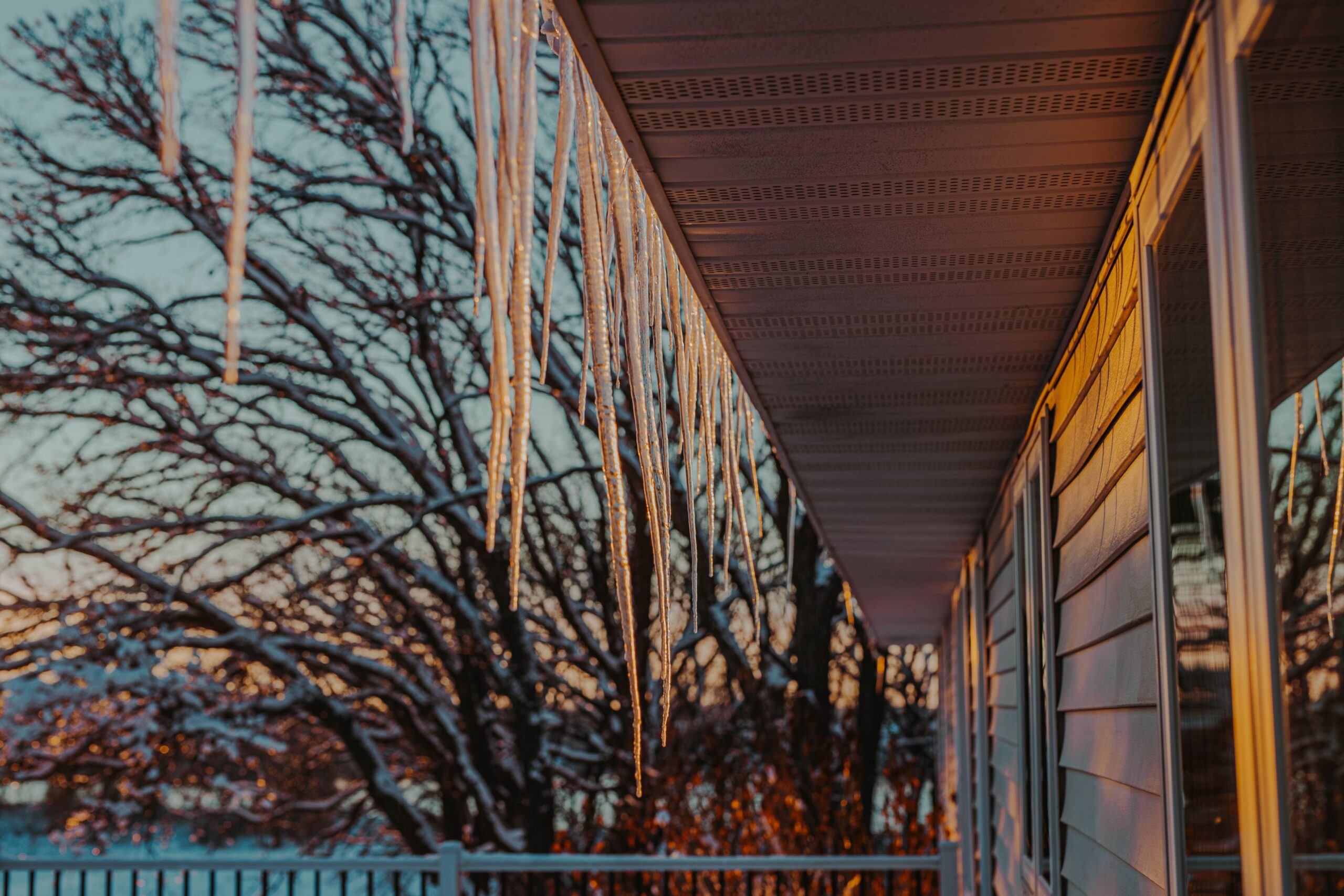
Residents, especially children, older adults and anyone with health conditions, can be at risk. That is why many landlords treat loss of heat in winter as an emergency.
Prepare for the season. Service the furnace before winter, replace filters, insulate exposed pipes, and teach tenants to keep the home heated, to open cabinet doors on very cold nights if pipes are vulnerable and to report problems immediately. Make sure vendors are reachable on holidays and weekends, when many failures occur.
Consider a pre-winter checklist that you or your manager can complete with each tenant. Confirm that the thermostat works, that filters are clean, that exposed pipes are insulated and that the tenant knows where the shutoff valves are. Fifteen minutes before the first freeze can prevent a costly emergency.
Urgent but Not Always an Emergency
Some problems are important but can often wait until business hours. A refrigerator that has stopped working, a toilet in a home with only one bathroom and a lack of hot water are examples.
They disrupt daily life and deserve prompt attention, and in some circumstances, such as when a vulnerable resident is affected, they may rise to the level of an emergency.
What Tenants Should Do First
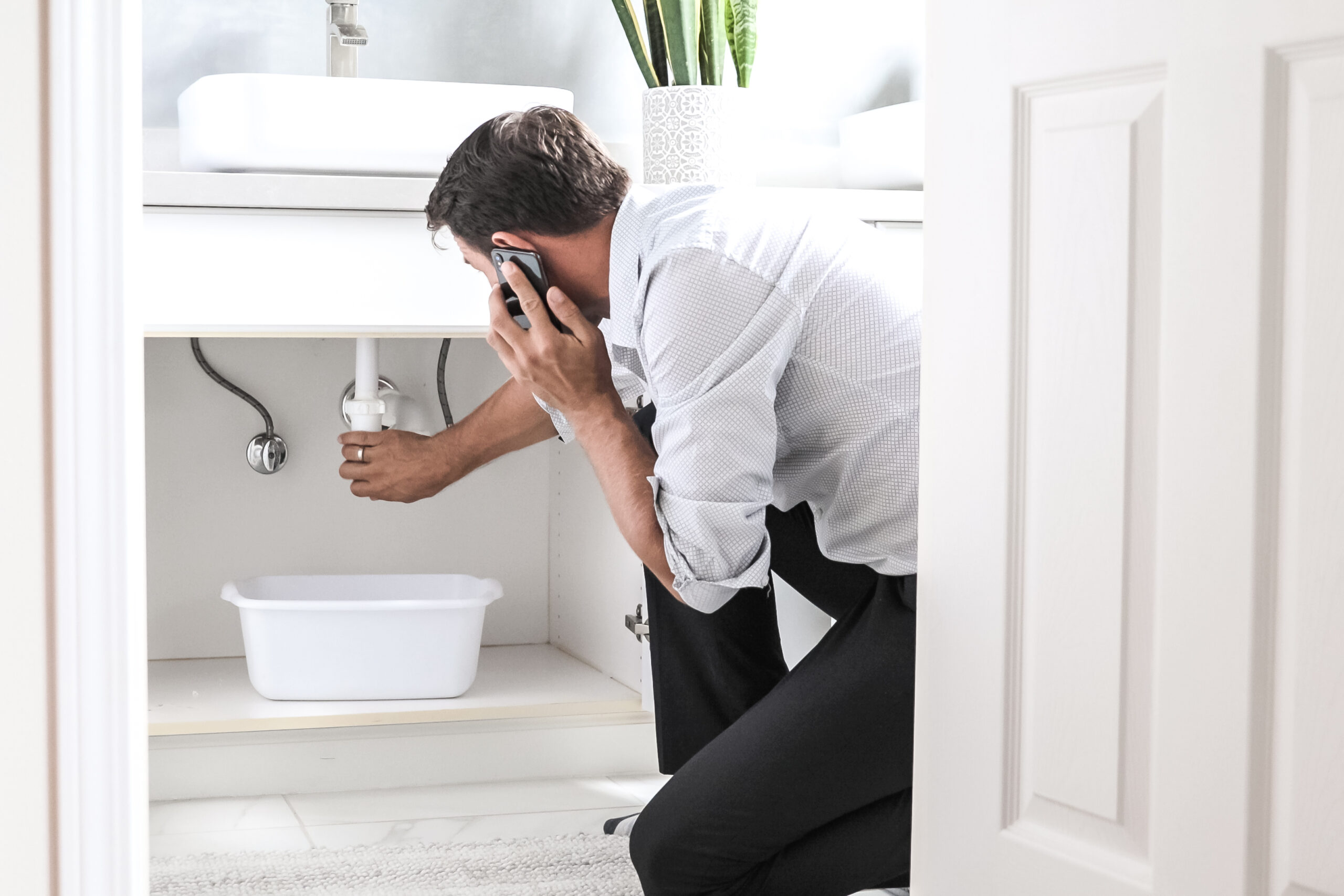
Give tenants a short, clear list of what to do in an emergency. Safety comes first, so they should leave the home if there is danger, call 911 when appropriate and then notify the landlord or manager. If it is safe, they can take simple steps such as shutting off the water at the main valve or the power at the breaker, provided you have shown them how.
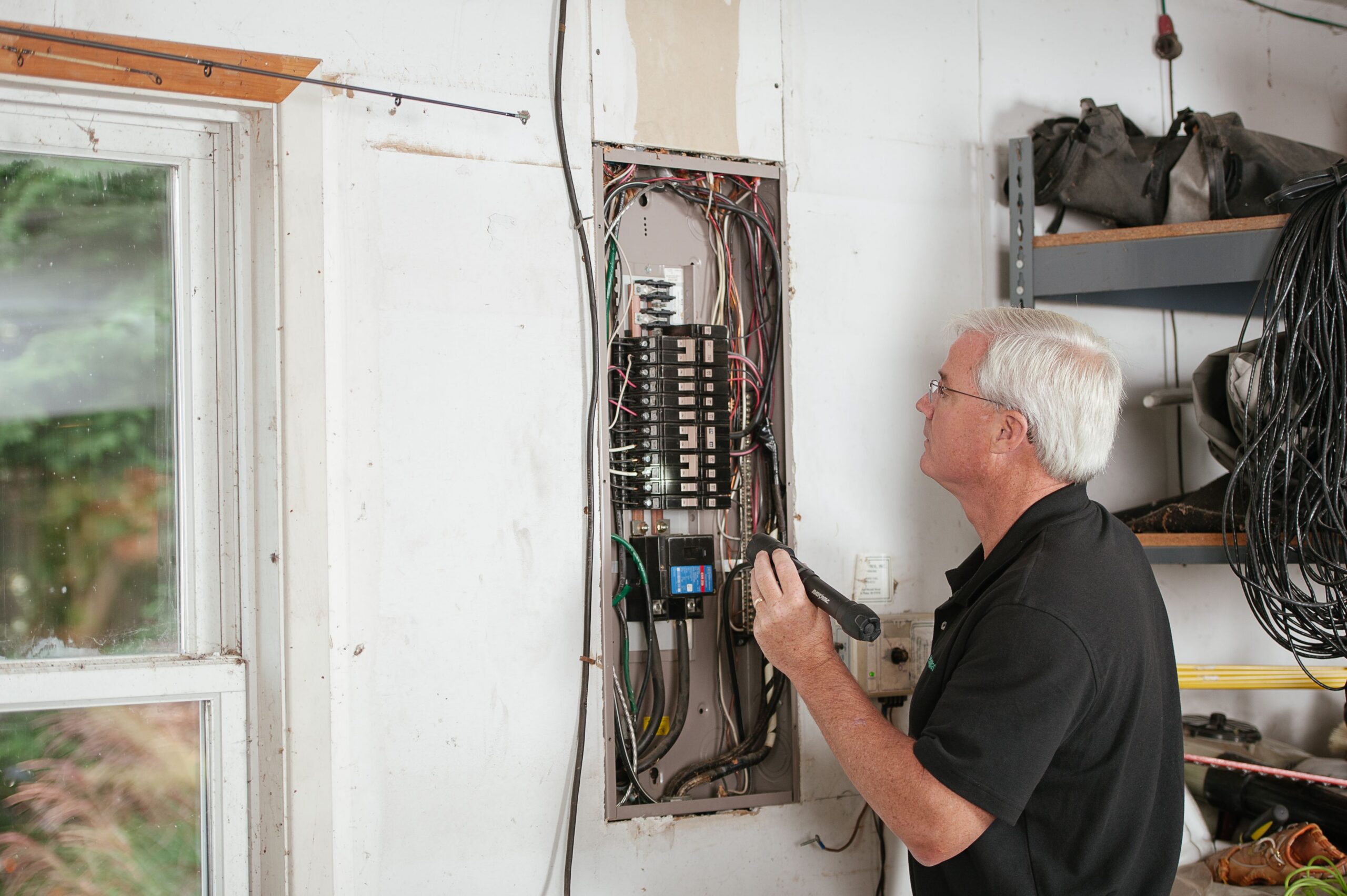
Provide the emergency number in writing, and make sure it is answered after hours. A number that goes unanswered at night is worse than having no number.
Test the number occasionally by calling it yourself from outside the office. Many owners discover only during a real emergency that a forwarding setting is broken or that the voicemail is full. Regular tests are a simple way to avoid that situation. Confirm that every tenant has it at move-in.
What Owners and Managers Should Do
When an emergency is reported, respond quickly, assess the risk and send the right help. Keep a list of reliable vendors, including a plumber, an electrician, a heating technician, a restoration company and a locksmith, along with after-hours contact information. Decide in advance how much can be spent without waiting for approval.
Document everything. Take photographs, record dates and times, save invoices and note what was done. Documentation supports insurance claims and helps resolve disagreements about responsibility and cost.
Follow up after any emergency repair to make sure the fix is permanent and that no hidden damage remains. A temporary patch that is never replaced can fail again, and moisture left behind can cause mold. A short follow-up visit is inexpensive insurance.
Responsibility, Insurance and Legal Notes
Who pays depends on the cause, the lease and the law. Generally, landlords are responsible for repairs needed to keep a home habitable, while tenants may be responsible for damage they cause.

Minnesota has rules about repairs and habitability, including requirements related to heat, so verify the current requirements.
Make sure your insurance is appropriate for a rental and that tenants are encouraged or required to carry renters insurance. Notify your insurer promptly after a significant loss, and consult a qualified attorney with questions about responsibility or disputes.
Common Mistakes to Avoid
- Leaving the definition of emergency vague or unwritten.
- Providing an emergency number that is not answered after hours.
- Failing to teach tenants how to shut off water and power.
- Delaying response to a gas, water, electrical or heating problem in winter.
- Skipping documentation after an emergency.
Bottom Line
A maintenance emergency is a situation that threatens safety or rapidly damages the property. Define emergencies clearly, give tenants simple instructions, keep reliable vendors on call and document everything.
Pay special attention to heat in winter. Verify current Minnesota requirements, and consult a qualified attorney when questions arise.
Real Property Management Viking is independently owned and operated and serves the Minneapolis area. Call 612-915-0100 or visit https://www.rpmviking.com/contact-us to request a free rental property evaluation.
Frequently Asked Questions
What Is Considered A Maintenance Emergency?
Generally, an emergency is a condition that threatens health or safety or causes rapid property damage, such as fire, a gas leak, flooding, sewage backup, loss of heat in cold weather, electrical hazards or a security breach. Define your list in the lease.
Is No Heat In Winter An Emergency?
Usually yes, because of the risk to health and the risk of frozen pipes. Respond quickly and have a heating vendor available after hours. Verify current Minnesota requirements about heat.
Who Should A Tenant Call First?
If there is immediate danger, such as fire or a gas leak, the tenant should leave and call 911 or the utility, then notify the landlord or manager. For other emergencies, the tenant should call the emergency number provided.
How Quickly Must A Landlord Respond?
Response expectations depend on the situation, the lease and the law. Verify current requirements and consult a qualified attorney. Real Property Management Viking can discuss management support at 612-915-0100.
Who Pays For Emergency Repairs?
It depends on the cause, the lease and the law. Landlords are generally responsible for repairs needed for habitability, while tenants may be responsible for damage they cause. Keep documentation and consult a qualified attorney with questions.
This content is provided for general informational and educational purposes only and does not constitute financial, legal, tax, or investment advice. Readers should consult with licensed professionals regarding their specific circumstances.
We are pledged to the letter and spirit of U.S. policy for the achievement of equal housing opportunity throughout the Nation. See Equal Housing Opportunity Statement for more information.
